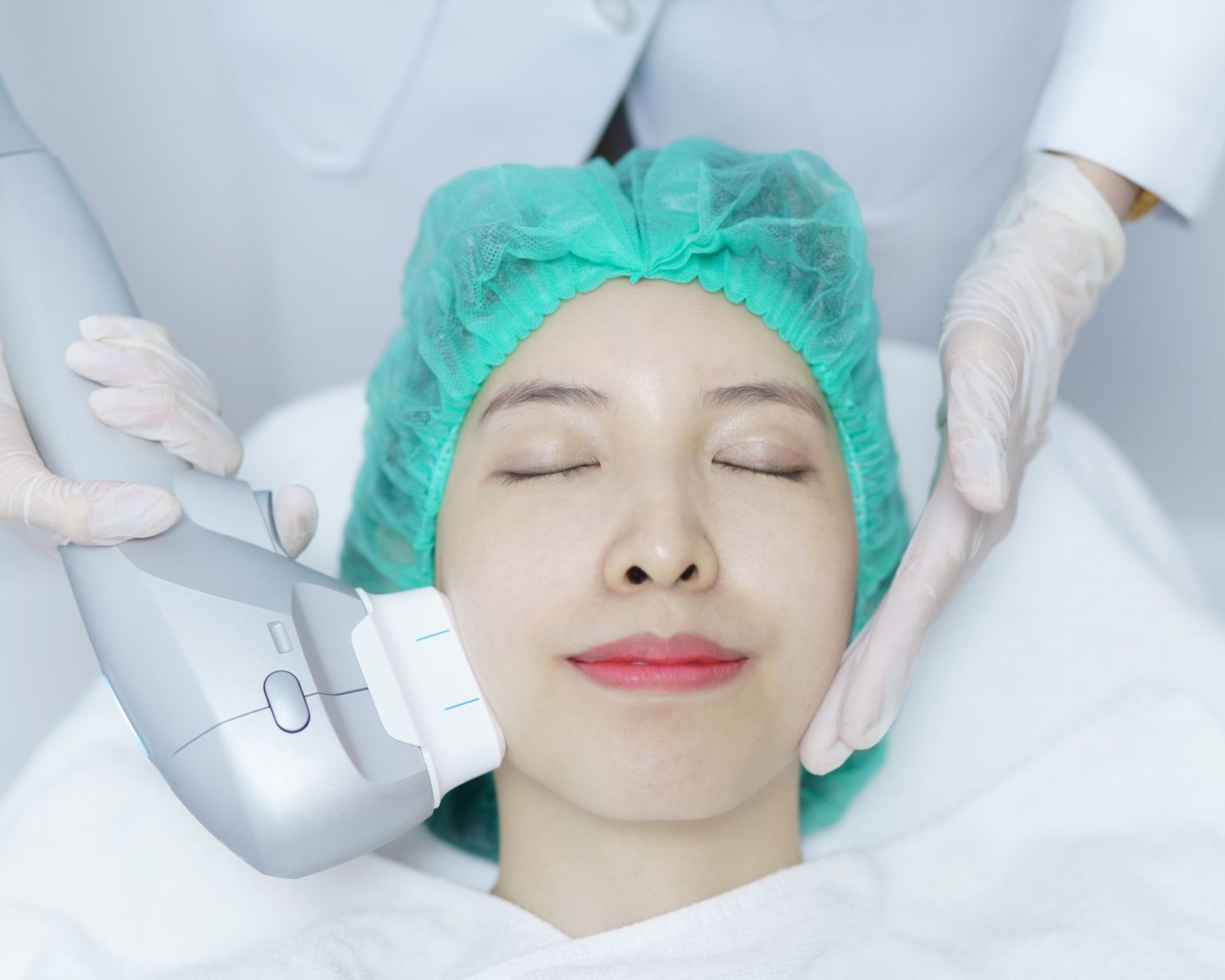
HIFU, also known as High-Intensity Focused Ultrasound, is a non-invasive cosmetic procedure that has gained popularity for its ability to lift and tighten the skin without surgery. HIFU treatments are known for their potential to reduce the signs of aging and improve overall skin texture. If you’re considering undergoing a HIFU treatment, it’s essential to be well-informed about what to expect and what to look out for to ensure a safe and successful procedure. In this article, we’ll discuss SEVEN critical factors to consider when opting for a HIFU treatment.
Qualified Experienced Practitioner

Ensure that your HIFU treatment is performed by a qualified and appropriately licensed practitioner. Look for professionals with relevant training and experience in HIFU procedures. A skilled and experienced professional will know how to tailor the treatment to your specific needs, aiming for suitable results while minimizing risks.
FDA-Approved Technology
Verify the regulatory status of the HIFU device being used. FDA clearance or approval depends on the specific device and its intended use; it should not be assumed that every HIFU device is FDA-approved for every treatment. Ask your practitioner about the device, its intended use, and the evidence supporting its safety and effectiveness.
Consultation Assessment
A reputable practitioner will conduct a comprehensive consultation and assessment before your HIFU treatment. During this session, they will evaluate your skin type and texture, discuss your aesthetic goals, and review any medical history that might affect the procedure. Additionally, the practitioner should clearly explain the treatment process, outline potential risks, and provide a realistic overview of the expected outcomes. This step helps ensure that the treatment plan is personalized to your skin needs and goals.
Realistic Expectations
While HIFU may offer skin-tightening and lifting results, it is essential to maintain realistic expectations about the procedure’s outcomes. The treatment may not deliver results as dramatic as those achieved through invasive surgical procedures like facelifts. During your consultation, your practitioner should explain what results may be expected, how many sessions might be needed, and the typical timeline for improvements. Understanding these factors helps you set achievable goals and avoid disappointment.
Treatment Areas
HIFU may be used to target selected areas of the body, including the face, neck, décolletage, and other regions prone to sagging skin, depending on the device and its approved or intended use. Ensure that your practitioner has relevant experience treating the specific area you want to address. They should explain whether HIFU is suitable for your concerns and what results may realistically be expected.
Post-Treatment Care
Understanding and following post-treatment care guidelines can help support recovery after HIFU. Your practitioner should provide you with an aftercare plan, including recommendations for a gentle skincare routine, sun protection, and how to manage any temporary side effects such as swelling, redness, or tenderness. Follow their guidance and contact them if you experience unexpected or persistent symptoms.
Cost Financing
During your consultation, it’s important to have a transparent discussion about the cost of HIFU treatment. Clarify the full pricing structure, whether multiple sessions may be recommended, and whether the clinic offers package deals or discounts. Additionally, inquire about financing options or payment plans if the cost is a concern. Understanding the financial details can help you plan accordingly and avoid unexpected expenses.
Conclusion
HIFU treatment is a non-invasive option for people looking to improve skin laxity and address some signs of aging. However, it’s essential to approach the procedure with careful consideration and awareness of the factors mentioned above. Choosing a qualified practitioner, verifying the device’s regulatory status, and maintaining realistic expectations are important steps when considering HIFU treatment.
Always prioritize your safety and well-being by seeking reputable clinics and practitioners who consider your individual needs and concerns. With appropriate information and professional guidance, you can make a more informed decision about whether HIFU is suitable for you.
Medically reviewed by: Dr Chin Kok Ping