
The HIFU facelift is a relatively new treatment that has proven to be effective at face-lifting. Without requiring any surgery, the treatment can immediately tighten and lift areas of your face, proving to be an effective solution for saggy skin, wrinkles and a more refined jawline.
With HIFU Facelift’s booming popularity in Singapore; chances are, you’re already preparing for your first treatment. Here’s a list of 30 questions to help you understand better about the treatment including what it is, how it’s done and pre & post care.
This checklist is medically reviewed by Dr. Chin Kok Ping.
Ask Yourself These 30 Questions Before Going for HIFU Facelift
1. What Exactly is HIFU Treatment?
HIFU is short for High-intensity Focused Ultrasound, a non-surgical treatment which utilises ultrasound energy to stimulate collagen and promote face tightening. The treatment targets deep beneath the skin without damaging the surface. This procedure is part of a trending procedure used to battle signs of aging without surgical needs.
2. How Does HIFU Work?
HIFU works by sending medical-grade ultrasound energy deep into the skin at precise depths to stimulate skin tightening. The ultrasound energy heats tissues below the skin surface to approximately 60–70 degrees Celsius, triggering the body’s natural response to heal damaged tissues and hike up collagen production.
The HIFU procedure also generates sufficient heat to melt away fats at the targeted area, making it great for double chin and droopy eyes.
3. Which Part of My Skin Does The Ultrasound Target?
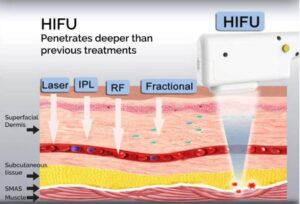
HIFU is currently the only non-invasive medical device that can penetrate the deepest into the skin without surgery. Each probe targets a different depth. As the repair is done deep under the skin, results tend to have longer-lasting effects.
HIFU targets 3 key layers under the skin:
Epidermis (1.55 mm depth)
Reduce melanin production to lighten pigmentation and brighten skin
Deep Dermis (3mm depth)
Controlled heating of skin tissue stimulates collagen growth and tightens skin
Superficial Muscular Aponeurotic System or SMAS (4.5mm depth)
The SMAS layer is traditionally targeted by plastic surgeons for facelift procedures. Precision targeting of this area results in a lasting and visible lifting effect.
4. What Skin Problems Am I Trying To Address?
Knowing the exact skin problem you are trying to target helps achieve desirable results. HIFU treatment helps reduce signs of aging around the face and neck, and common fine lines and wrinkles such as forehead wrinkles, frown lines, smile lines and necklines.
The treatment is right for you if have these skin problems:
- Saggy skin
- Fine Lines
- Forehead wrinkles
- Frown lines
- Smile lines
- Necklines
- Double Chin
5. Is HIFU A Common Procedure?
The treatment has seen a major increase in popularity over the past decade, not only in Singapore but across the world. Research has suggested that the total number of HIFU procedures performed between 2012 and 2017 has increased by 64.8%. A separate study involving 32 Koreans showed that HIFU has improved skin elasticity in the cheeks after 12 weeks.
6. Are The Reputation And Reviews Of The Clinic Good?
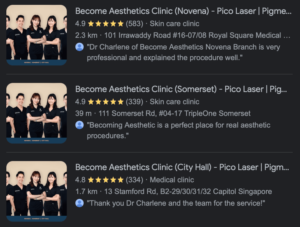
Treatments for your skin are extremely personal hence the reputation of the clinic must be favourable. A common way for you to verify a clinic’s reputation is simply through Googling. You are able to check out the Google reviews, the number of reviews and the star rating of the clinic.
At the time of writing, Become Aesthetic Clinics in Singapore are honoured with customer reviews of 4.9 stars, averaging 400 Google reviews across all of our 3 clinics.
7. Is The HIFU Treatment Painful?
You may experience minimal discomfort from the heat generated by the ultrasound machine, especially across the jawline and cheekbones. Numbing cream is an optional application for the treatment and generally, most patients find the pain level rather tolerable. If you’re more sensitive to pain, you may request for numbing cream before the treatment.
8. How Does The Treatment Feel Like?
You may experience a mild prickling feeling and a heated sensation as the ultrasound device administers the pulses into the skin. But rest assured, even without numbing cream, many patients describe the procedure as tolerable.
9. Will There Be Any Incisions?
HIFU is a non-invasive procedure and will not administer any incision or surgical cuts into the skin. This makes the procedure highly favourable, safe and comfortable.
10. How Does HIFU Stimulate Collagen?
HIFU uses ultrasound energy to heat deep layers underneath your skin. Once the cells reach a certain temperature, the skin’s natural healing process begins and signals skin cells to produce collagen, resulting in tightened skin as it heals. It’s a natural process that relies on your body’s collagen-building mechanism.
11. Do I Have Loose Neck Skin?
Saggy skin around the neck is often overlooked. Spot for neck lines which are signs of loosening skin. HIFU treatment is effective at tightening skin around the neck which reduces skin laxity to present fresher, younger-looking skin around the neck.
12. Can I Use HIFU for My Eye Bags?
Yes, due to the effective skin-tightening result, HIFU may help reduce the appearance of eye bags and tighten the skin underneath the eye. This can result in less puffy-looking eyes.
13. Does HIFU Cause the Fats Around My Skin to Reduce?
The ultrasound and heating from the HIFU treatment may affect fat in selected areas. However, it is important to understand the primary focus of the treatment is not fat reduction but skin tightening and collagen stimulation. Understanding your expectations regarding the treatment will help boost satisfaction.
14. Is HIFU FDA Approved?
Regulatory approval depends on the specific HIFU device and its intended use. Ask your clinic which device is used and verify its approval status with the relevant authority.
15. Can HIFU Be Used To Reduce Scars?
HIFU is primarily used for skin tightening and lifting. Its effectiveness for reducing the appearance of acne scars or other scars may vary, so consult a qualified medical practitioner about suitable treatment options.
16. Can I Do HIFU Every Month?
There are a few considerations for the frequency of treatment. You’ll need to factor in the natural healing time of the body that is brought about by every session. Rushing the treatments may hinder the body from proper recovery. Besides, collagen requires time to form, so the full results may only appear after 1–3 months.
In many cases, overly frequent treatments may not necessarily bring more benefits. Different individuals may require different frequencies of treatment. Follow your practitioner’s advice on the appropriate interval for your treatment plan.
17. How Long Does A Session Last For?
A session of HIFU lasts approximately 30–40 minutes, so you won’t need to make big changes to your daily schedule.
18. What Are The Risks And Side Effects Of HIFU?
HIFU is generally well tolerated, but side effects and risks can occur. After the procedure, you might observe redness on your face, which may gradually go away in a few hours. Other possible side effects can include swelling, tenderness, tingling or temporary discomfort. Discuss potential risks with a qualified medical professional before treatment.
19. Is There Any Downtime?
Thanks to its non-invasive nature, the treatment has minimal downtime for many patients. It is sometimes referred to as the ‘lunchtime’ treatment because you may return to your daily routine shortly after the procedure. You may observe minor side effects such as redness and swelling, which may gradually fade over time.
20. How Many Sessions Do I Need To Achieve Results?
The number of HIFU sessions needed depends on your skin laxity, the device used and your individual response to treatment. Some patients may see results after one session, while others may need a different treatment plan. Maintenance sessions should be discussed with your practitioner.
21. Can I See The HIFU Results Immediately?
Some patients notice an immediate visible tightening effect right after the treatment, but results generally develop gradually over the following weeks and months.
22. How Do I Care For My Skin After The HIFU Treatment?
Remember that your skin needs to heal after the treatment. Proper hydration and a diet rich in antioxidants such as vegetables and fruits can support general skin health. It is also important to follow your practitioner’s aftercare instructions. If you need to step out, use a broad-spectrum sunscreen of at least SPF 30. Ask your practitioner whether you should temporarily avoid hot baths, steam rooms or excessive sweating.
To Adopt:
– Proper hydration
– A diet rich in antioxidants
To Avoid:
– Direct sun exposure without protection
– Hot baths if advised by your practitioner
– Excessive sweating if advised during recovery
Our doctors will provide post-treatment instructions.
23. Can I Wash My Skin After The Treatment?
You may generally use lukewarm water, a gentle cleanser and a light moisturiser after the treatment, unless your practitioner advises otherwise. Avoid exfoliating cleansers for a few days if recommended. Ask your practitioner when to resume your usual skincare routine.
24. How Is HIFU Different From Laser Procedures?
Although both HIFU and laser treatments are non-invasive, they are different in their methods of skin tightening. HIFU uses sound energy, while lasers use light energy. HIFU uses ultrasound to target deeper tissue layers, while lasers typically target specific areas of the skin depending on the type of laser and its settings.
Deciding the right treatment for you requires a thorough assessment of your skin condition. You may book an appointment with our doctors to discuss a personalised treatment plan.
25. Are There Any Dietary Restrictions After The Procedure?
There may be few dietary restrictions after a HIFU treatment, but follow any advice provided by your practitioner. Staying hydrated is helpful for general health. If you have concerns about alcohol or other dietary choices during recovery, discuss them with your clinician.
26. Who Is Not Suitable For HIFU?
HIFU may not be suitable for everyone. Pregnancy, certain medical conditions, implanted devices such as pacemakers, and the condition of the intended treatment area may affect suitability depending on the device and treatment plan. Disclose your medical history and concerns during consultation so a qualified medical professional can assess whether treatment is appropriate.
27. Can I Combine HIFU With Other Treatments?
HIFU may be combined with other aesthetic treatments in some cases, but the appropriate combination and timing depend on your skin condition and treatment goals. Discuss your options with a qualified medical practitioner to develop a personalised plan.
28. Is The Treatment Suitable For Sensitive Skin?
HIFU may be suitable for some individuals with sensitive skin, depending on their specific condition, skin type and sensitivity. Share your concerns with a qualified doctor so they can assess your suitability.
29. What’s The Price Of HIFU Treatment?
The price of the procedure depends on factors such as the treatment areas and the number of shots administered by the machine. The original article listed prices at Become Aesthetics Clinics Singapore as starting from $300; contact the clinic directly to confirm current pricing.
30. Where Can I Receive The HIFU Treatment in Singapore?
HIFU treatment is one of the clinic’s signature treatments and is available at three locations in Central Singapore: Novena, Somerset or City Hall. Visit the Become Aesthetic Clinics contact page for location details.

Further Details on the HIFU Treatment in Singapore?
If you require further details, we recommend you WhatsApp, call our customer service or book an appointment so you may speak directly with our medical doctors.