
Exploring Carbon Laser Peel: Benefits and Procedures
Posted on
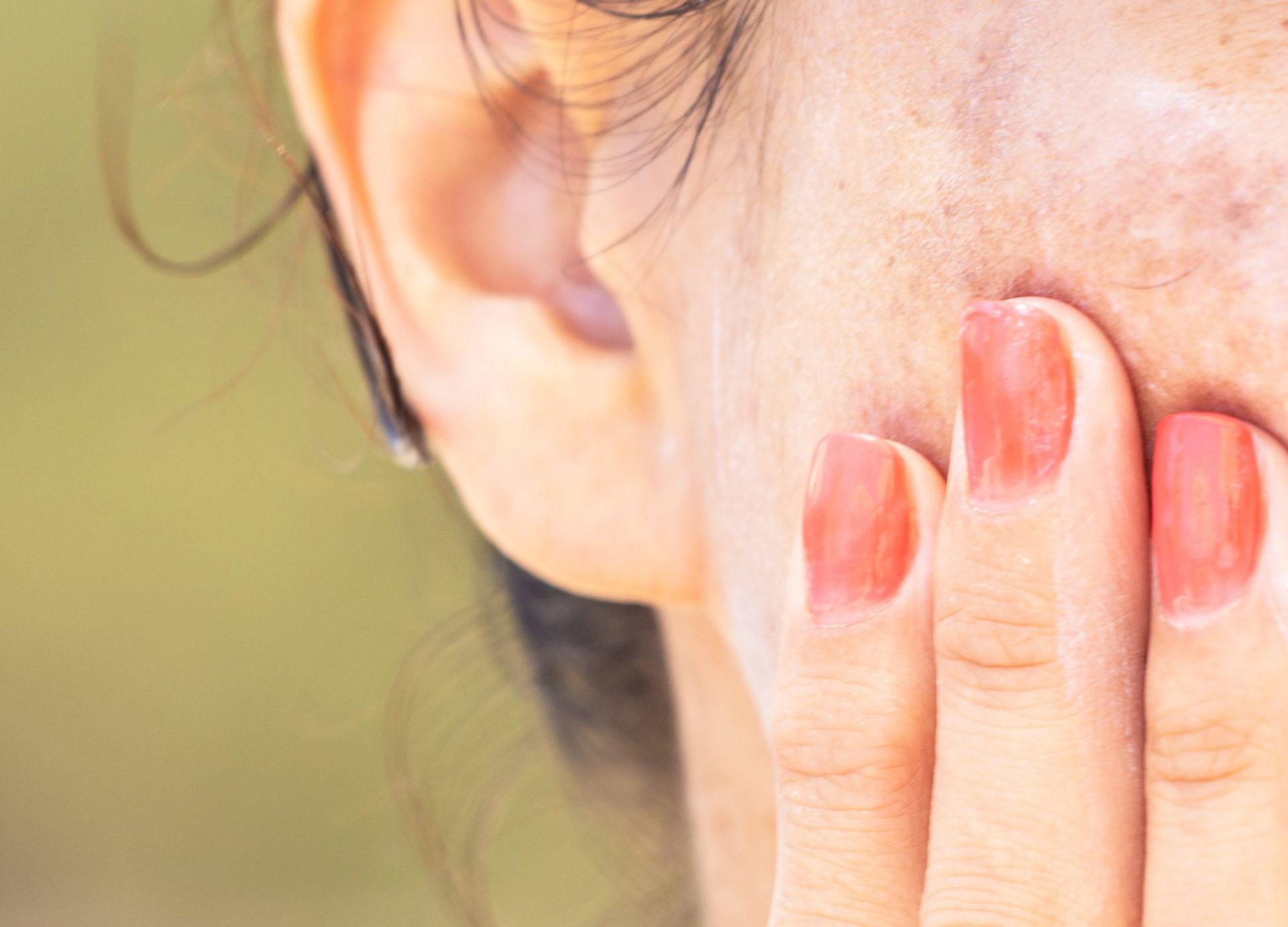
What Are The Different Kinds Of Pigmentations?
Pigmentations may affect many people and the most common types are:
- Freckles are spots that are commonly seen on sun-exposed areas such as the face, hands, arms, shoulder, neck, back and upper chest. Freckles are usually clustered together and appear as small or flat spots ranging from red to brown colour on the skin.
- Sun Spots/Age Spots are usually more common for people in their 50s. They are usually caused by the ultraviolet (UV) rays that appear as small and dark patches on the skin.
- Melasma occurs when the body produces too much pigment melanin on the skin and causes patches to form on the skin in brown or grey patches that are exposed to the sun.
- Post-inflammatory hyperpigmentation (PIH) occurs after an injury such as burn or acne. The skin produces more melanin when the skin is irritated or injured.
- Nevus of Ota is seen as a blue-grey coloration that is most commonly found on the face but usually can also appear on the neck, chest and back areas. This is a type of nevus that appears as a dark skin patch when there is an increase in melanocytes that are noncancerous, that is responsible for the skin pigmentation.
- Hori’s Nevus is due to the number of melanocytes that are over produced, forming dark patches anywhere of the body but can be found most commonly on the cheeks area and ranging from dark brown to grey colour.
What Causes Skin Pigmentation?

There are many factors that cause pigmentation and genetics can be a factor that controls the amount of melanin produced by the body. Causes of pigmentation includes:
- Sun Exposure contains ultraviolet (UV) rays that activates the reproduction of melanin underneath the skin and this is when the skin tone gradually turns darker.
- Hormonal Changes are the most commonly seen during pregnancy, however some skin conditions can cause abnormal skin pigmentations. Hormonal changes increase the amount of melanin our body produces and hormone fluctuation can cause melasma to form in dark and small patches.
- Inflammations happen when the skin is healing from injury like acne, burns or eczema. During the healing process, the pigments in the skin will increase or decrease temporarily because of the trauma experienced by the skin.
- Medications are also one factor that causes pigmentation Certain medications might trigger melasma to appear.
Does The Food You Consume Cause Pigmentation?
Certain foods can cause pigmentation to the skin as it affects the body’s hormone level. This includes:
- Spicy or Fried Food – Highly inflammatory for the body and triggers hyperpigmentation of the skin
- Sugar – One of the most inflammatory foods for the body and triggers hyperpigmentation. It also causes premature skin ageing as it breaks down the natural collagen in the skin.
- Dairy – Milk can over produce the skin cells in our body because it contains oestrogen and progesterone hormones that block pores and prevent sebum from binding up. This leads to spot forming.
Who Is More Prone To Getting Pigmentation?
Individuals with darker skin tones create more melanin naturally which explains why they are more prone to experience skin pigmentation issues such as dark patches or spots due to the higher amount of melanins produced in the body when hormones or trauma triggers it. Individuals aged over 40 are also more prone to skin pigmentation as there is more melanin produced by the body.
How to Get Rid of Pigmentations?
Related Blogs
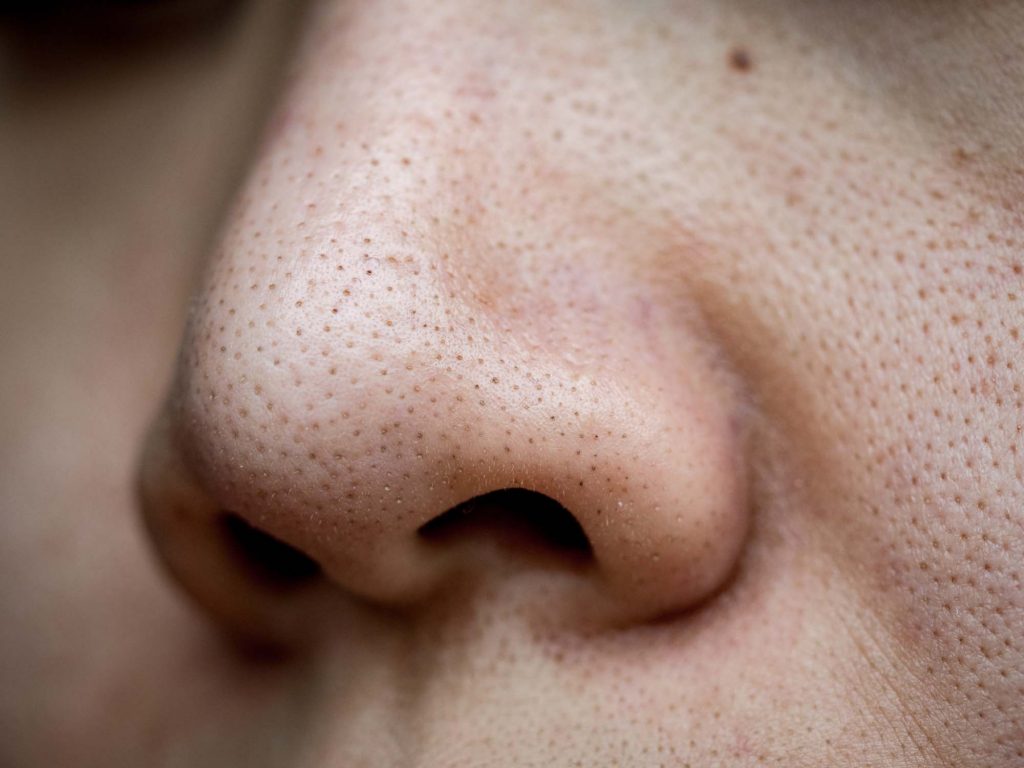
Is It Possible to Shrink Your Pore Size? Here’s the Truth
What is the Science Behind Pico Laser and Its Efficacy?
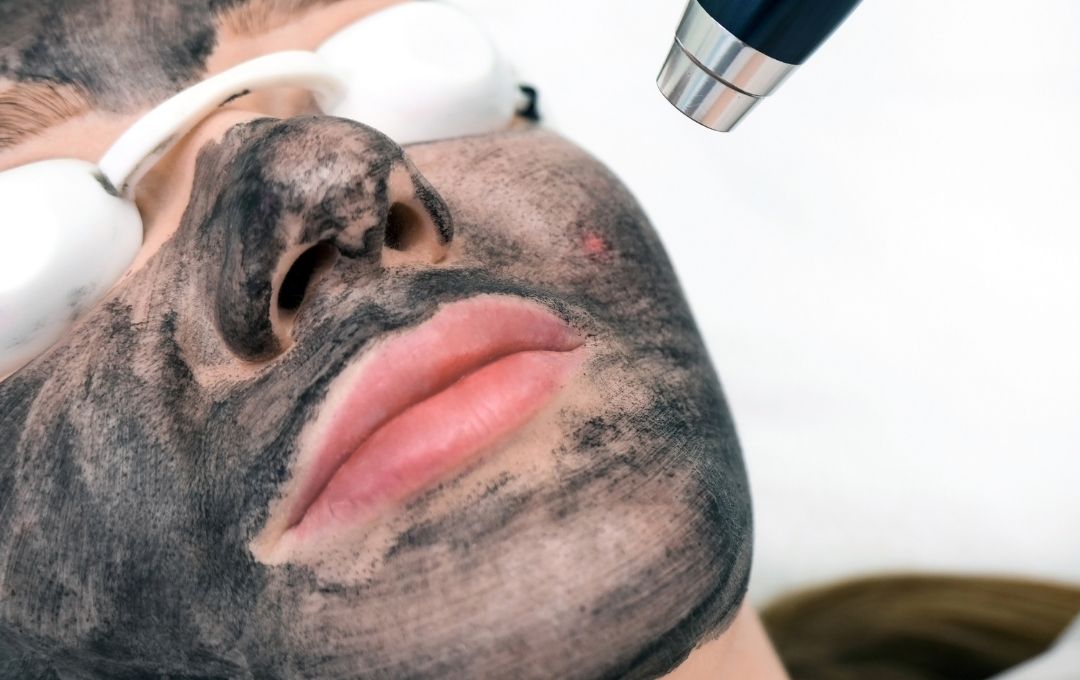
What is the Hollywood Carbon Peel in Singapore?
In recent years, the Hollywood Peel has gained popularity in Singapore's beauty industry. The Hollywood Peel is also known as Carbon Laser treatment, which is known for its ability to...
What Is Bacne? Understanding Back Acne and How to Treat It
We'd Love to Hear from You
BECOME who you always want to be
Novena
101 Irrawaddy Road #16-07/08 Royal Square Medical Centre Singapore 329565
Somerset
111 Somerset Road #04-17
TripleOne Somerset Singapore 238164Dhoby Ghaut
68 Orchard Road #04-41
Plaza Singapura Singapore 238839Serangoon
23 Serangoon Central #04-26 NEX Singapore 556083
Woodlands
1 Woodlands Square #04-18 Causeway Point, Singapore 738099
Tampines
10 Tampines Central 1 #05-14 Tampines 1 Singapore 529536
Jurong East
3 Gateway Drive #02-40B Westgate Singapore 608532
Harbour Front
1 HarbourFront Walk #02-204 VivoCity, Singapore 098585
Sengkang
1 Sengkang Square #04-17/18 Compass One Singapore 545078
Paya Lebar
10 Paya Lebar Road #03-24 PLQ Mall Paya Lebar Quarter Singapore 409057
Yew Tee
21 Choa Chu Kang North 6 #B1-12/13 YewTee Point Singapore 689578
Boon Lay
1 Jurong West Central 2 #B1-30 Jurong Point Shopping Centre Singapore 648886