In the realm of aesthetics, the quest for youthful and radiant skin has led to remarkable advancements in non-invasive treatments.
Among these innovations, High-Intensity Focused Ultrasound (HIFU) facelift has emerged as a non-surgical approach to skin tightening and rejuvenation.
This article explores HIFU facelift, including its potential benefits, how it works, and its role in aesthetic treatments.
The Essence of HIFU Facelift
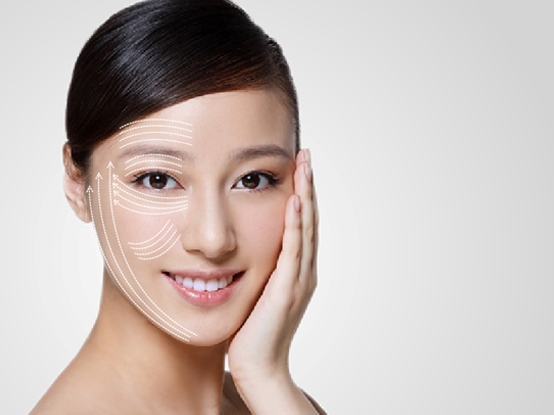
HIFU facelift uses focused ultrasound energy to target deeper layers beneath the skin.
Unlike traditional facelift surgery, which involves incisions and recovery time, HIFU offers a non-invasive alternative that may stimulate collagen production and improve the appearance of skin firmness.
This technology allows practitioners to target specific depths, with results varying according to individual skin condition and treatment goals.
How HIFU Facelift Works
HIFU delivers focused ultrasound energy to selected tissue depths, creating controlled thermal points beneath the skin’s surface. This process can stimulate the body’s natural healing response and collagen production.
Collagen helps support the skin’s structure and firmness. As the skin responds to treatment, improvements may develop gradually over time.
Advantages of HIFU Facelift
- Non-Invasive Nature: HIFU does not require surgical incisions. Some people experience temporary discomfort or skin reactions, and recovery experiences vary.
- Customizable Treatment: Practitioners can tailor treatment areas and settings to individual needs and concerns.
- Natural-Looking Results: Gradual changes may help improve the appearance of skin firmness without the immediate changes associated with surgery.
- No General Anesthesia Typically Required: HIFU is generally performed without general anesthesia. Whether any pain-relief measures are needed depends on the individual and the treatment protocol.
- Potentially Long-Lasting Effects: Results vary by individual and may last for months. Learn more about how long HIFU tightening may last.
Comparison with Traditional Facelift
Surgical facelifts can provide more substantial changes for some people, but they involve surgery, recovery time, and potential complications.
HIFU is a non-surgical alternative that may offer more modest improvements with generally less recovery time. It is not equivalent to a surgical facelift, and it also has potential risks and limitations. Learn more about HIFU downtime.
The most suitable option depends on individual preferences, desired results, skin condition, and professional assessment.
The HIFU Experience
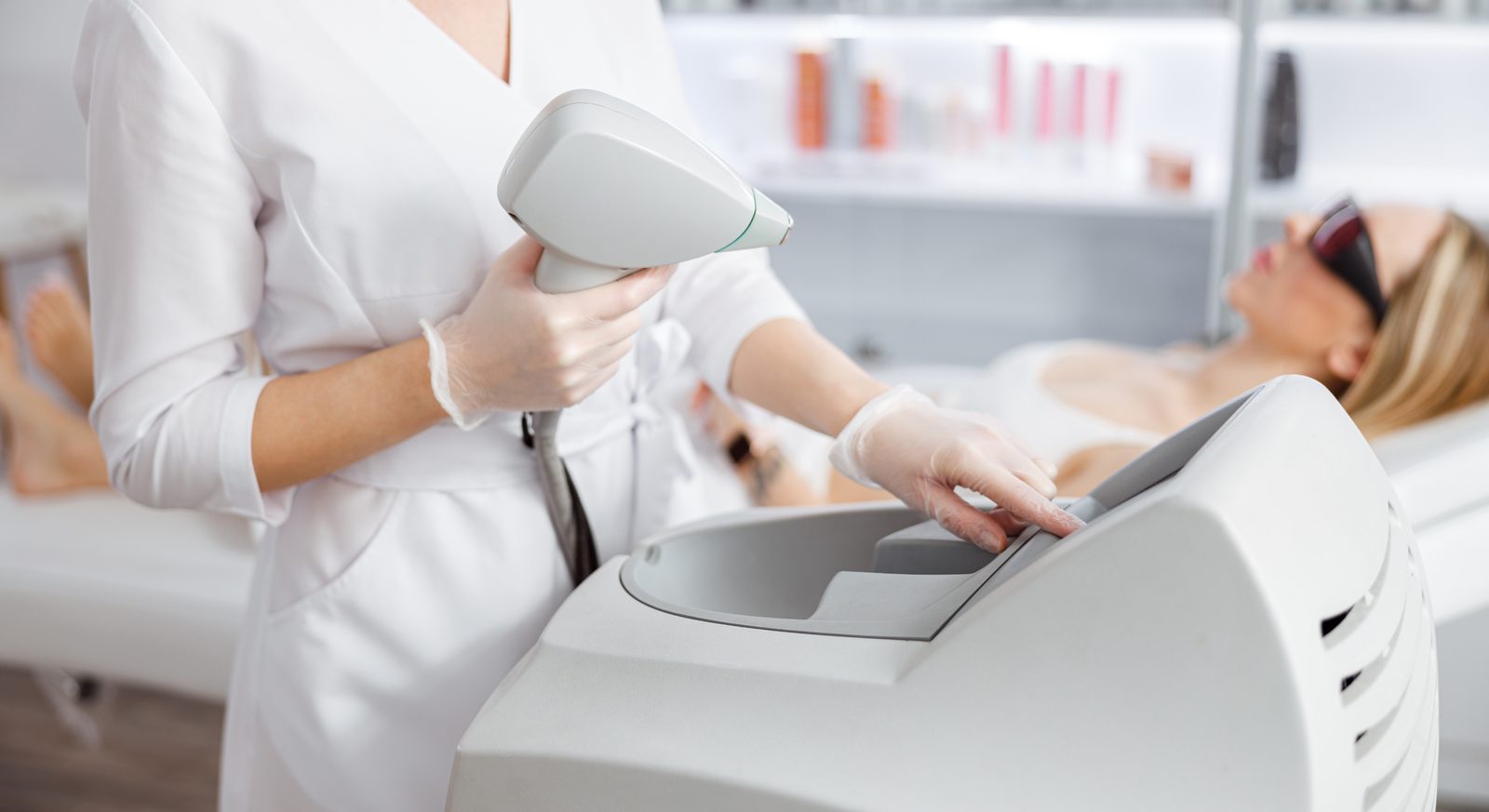
A HIFU facelift treatment typically involves applying ultrasound gel to the treatment area and using a specialized device to deliver focused energy.
Some people experience a warming or tingling sensation during treatment. Discomfort levels vary depending on the person and the area being treated.
The duration depends on the treatment area and treatment plan. A practitioner can provide an estimate during consultation.
Unlocking Non-Invasive Excellence
HIFU offers a non-surgical option for people seeking to improve the appearance of skin firmness and mild skin laxity.
By delivering focused ultrasound energy beneath the skin, the treatment may stimulate collagen production and produce gradual improvements.
For individuals considering a non-surgical approach, HIFU may be worth discussing with a qualified practitioner. Learn more about whether HIFU face treatment may be suitable.
Conclusion
HIFU facelift may help improve the appearance of skin firmness and address some signs of aging without surgery. Its suitability, results, and duration of effects vary between individuals.
To explore whether HIFU is appropriate for your needs, consult a qualified aesthetic professional to discuss expected outcomes, potential risks, and alternative treatments.
With a personalized treatment plan and realistic expectations, you can make an informed decision about your skin care goals.
Medically reviewed by: Dr Chin Kok Ping