In the ever-evolving world of aesthetics, advancements in technology continue to reshape the way we approach skincare and anti-aging treatments.
Among the latest innovations, High-Intensity Focused Ultrasound (HIFU) has emerged as a non-surgical option for people seeking skin rejuvenation.
This article takes a closer look at HIFU, its potential benefits, and how it may support skin rejuvenation.
Understanding HIFU
HIFU, or High-Intensity Focused Ultrasound, uses focused ultrasound energy to target specific layers beneath the skin. The treatment may stimulate collagen production and help improve the appearance of skin firmness.
Unlike surgical facelifts, HIFU does not involve surgical incisions. However, suitability, results, and recovery experiences vary from person to person.
The Science Behind HIFU
HIFU delivers focused ultrasound energy to specific depths beneath the skin’s surface.
This energy creates controlled thermal effects that may stimulate the body’s natural regenerative response, including collagen remodelling. Collagen and elastin fibers contribute to skin structure and elasticity. Over time, treatment may help reduce the appearance of fine lines, wrinkles, and mild skin sagging.
Key Benefits of HIFU
- Non-Surgical Approach: HIFU offers a non-surgical option for people seeking skin tightening without a facelift operation.
- Targeted Treatment: Focused ultrasound energy can be directed at selected treatment depths and areas.
- Customizable Treatment: Treatment plans can be tailored to individual concerns, skin condition, and the areas being treated.
- Recovery: HIFU generally does not require the recovery period associated with surgery, although temporary redness, swelling, tenderness, or other side effects may occur. Learn more about HIFU downtime.
- Gradual Results: Any improvement may develop over several weeks or months as collagen remodelling takes place. Individual results vary.
The Treatment Experience
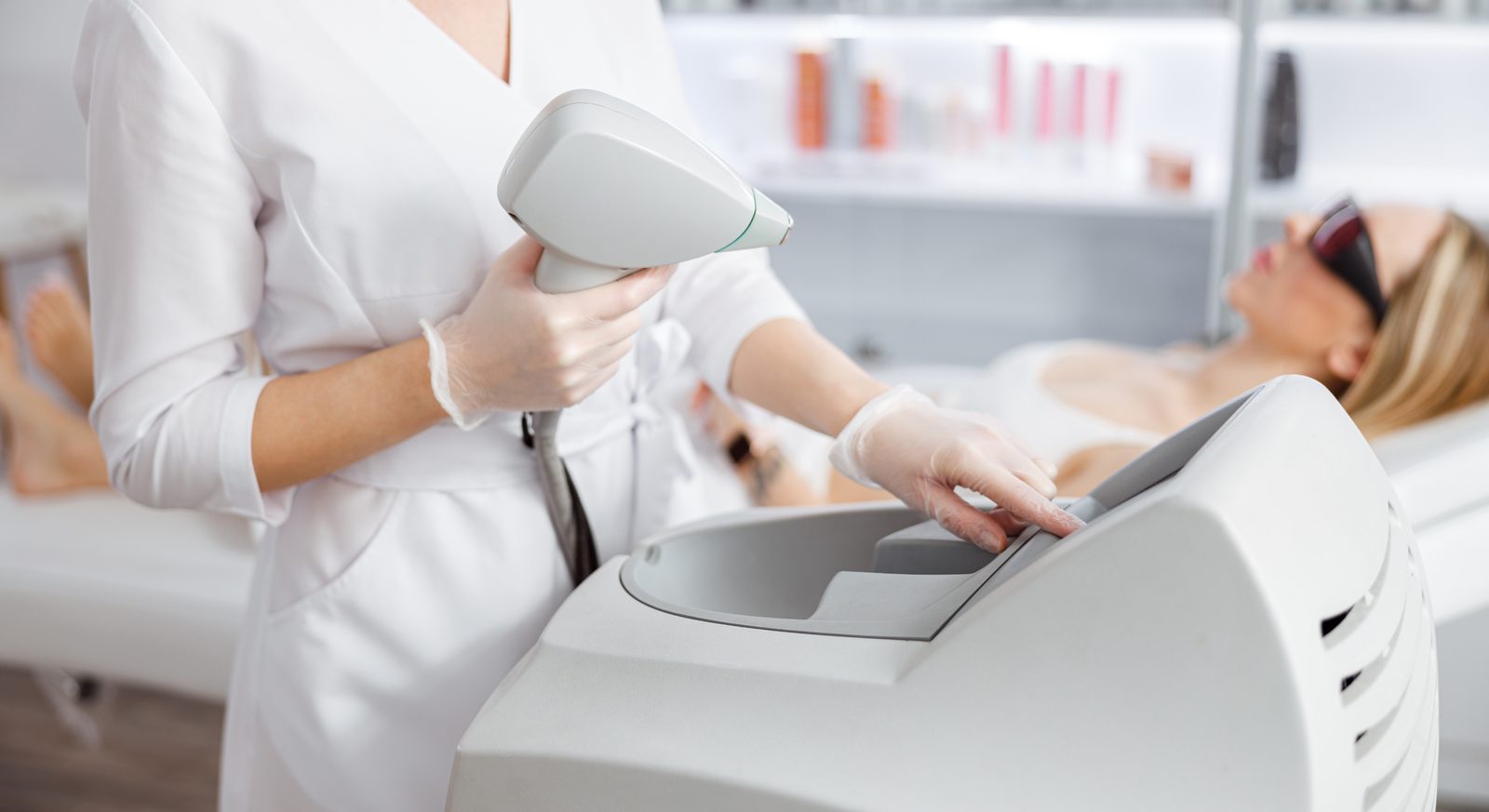
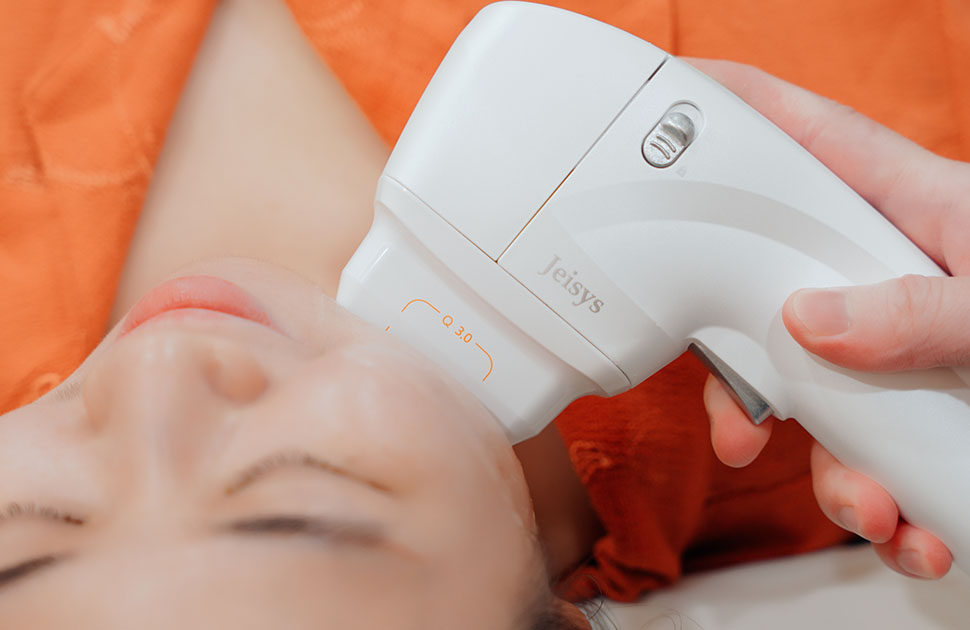
During a HIFU session, a handheld device delivers focused ultrasound energy to the selected areas. Patients may experience warmth, tingling, or discomfort during treatment.
Depending on the area being treated and the treatment plan, a session may take approximately 30 minutes to an hour or longer.
Some people notice an initial change, but results can develop gradually over the following weeks or months. The extent and timing of results vary.
Areas Treated with HIFU
Depending on the device and clinical assessment, HIFU may be used to address concerns in areas such as:
- Face: Selected areas of the face, including the forehead, brow, and areas around the eyes and mouth, may be treated for concerns related to skin laxity.
- Neck: Treatment may help improve the appearance of mild skin laxity around the neck.
- Décolletage: In suitable cases, treatment may target concerns involving skin laxity on the upper chest.
Ideal Candidates for HIFU
HIFU may be an option for some people with mild to moderate skin laxity who prefer a non-surgical treatment.
A qualified aesthetic doctor should assess each person's skin condition, medical history, and expectations before treatment. HIFU is not suitable for everyone and may not provide results comparable to a surgical facelift.
Conclusion
HIFU is a non-surgical treatment option for people exploring ways to address certain signs of skin aging.
By delivering focused ultrasound energy beneath the skin, HIFU may stimulate collagen remodelling and help improve the appearance of skin firmness and texture. Outcomes vary, and no particular result is guaranteed.
As aesthetic technology continues to evolve, HIFU remains one of several options available for people seeking skin rejuvenation without surgery.
Consult a qualified aesthetic doctor to determine whether HIFU is appropriate for your individual needs and goals.
Medically reviewed by: Dr Chin Kok Ping