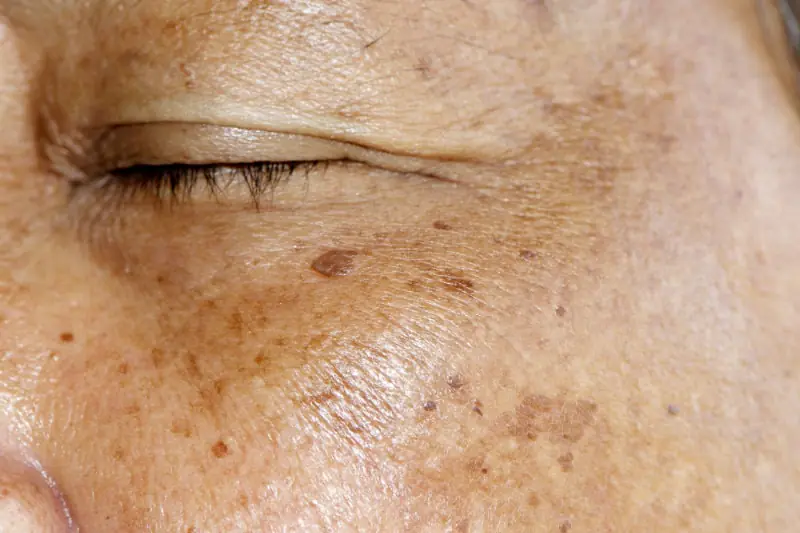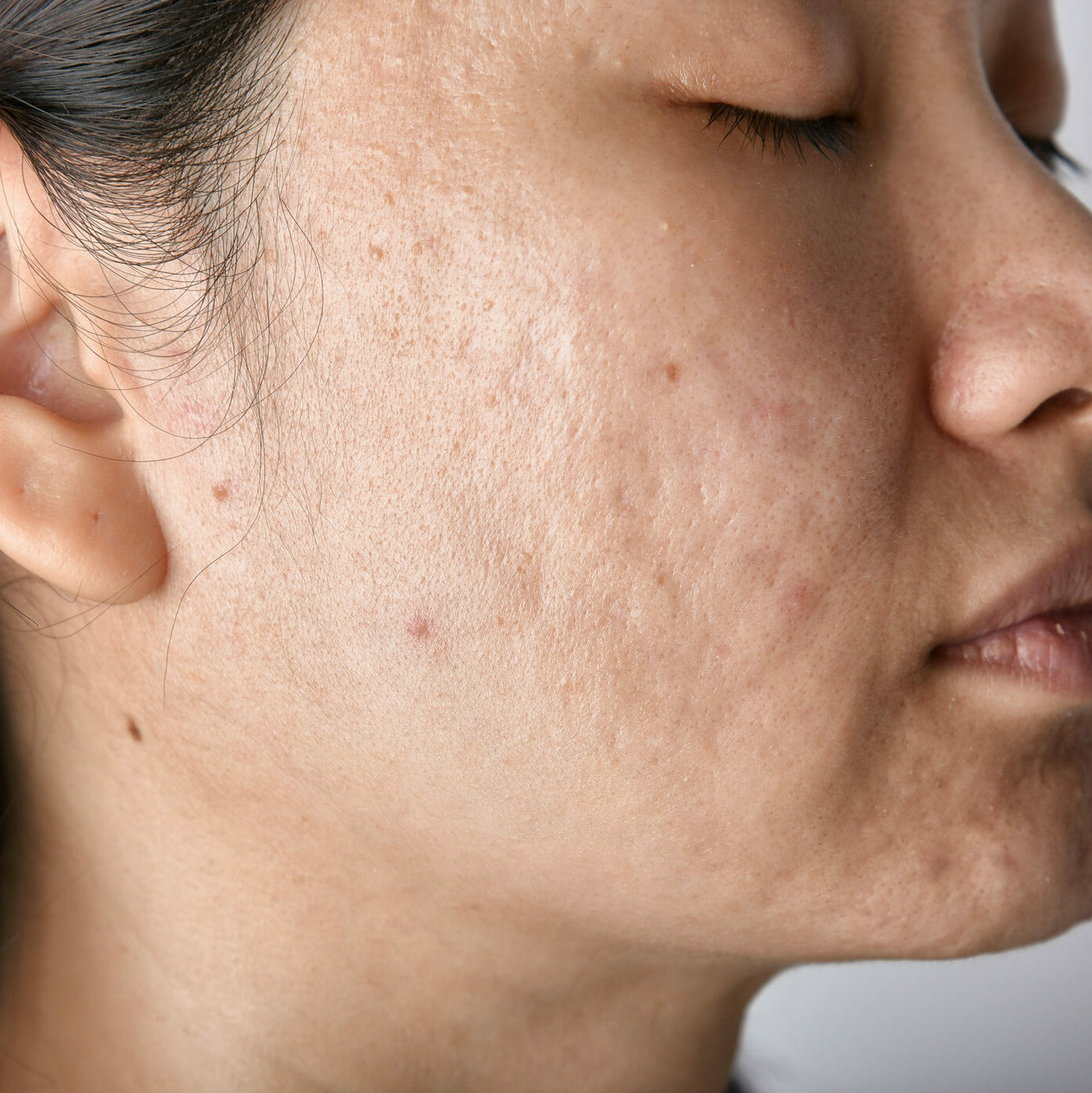

The pursuit of youthful and radiant skin has led to a myriad of skincare and aesthetic treatment options. Among the contenders, retinol and HIFU (High-Intensity Focused Ultrasound) have emerged as prominent options in addressing fine lines and wrinkles.
While each treatment has its unique strengths, the question remains: Which is more effective in the quest for smoother, more youthful skin?
Retinol: The Time-Tested Elixir

Retinol, often referred to as the “gold standard” of skincare, has been a staple ingredient for decades due to its ability to address various skin concerns, including fine lines. Derived from vitamin A, retinol works by increasing cellular turnover, stimulating collagen production, and improving skin texture and tone.
By penetrating the skin’s surface, retinol encourages the shedding of dead skin cells and the emergence of new skin cells. This process may lead to smoother-looking skin and a gradual reduction in the appearance of fine lines over time. Additionally, retinol may support skin elasticity and firmness.
It’s important to note that retinol can cause initial skin irritation, redness, and peeling, especially during the adjustment period. Consistent use, along with proper hydration and sun protection, can help support results while minimizing potential side effects.
HIFU Treatment: Precision in Skin Transformation

HIFU treatment is a non-invasive procedure that may help address fine lines and skin laxity. It uses focused ultrasound energy to target specific layers of skin tissue, producing controlled thermal effects.
This process stimulates the body’s natural healing response and may encourage collagen production and cellular regeneration.
HIFU targets deeper layers of tissue. As collagen remodeling occurs, the skin may gradually appear smoother and firmer. Results vary depending on individual skin condition, treatment settings, and other factors.
The Power of HIFU
- Precision and Depth: HIFU can target specific depths within the skin, offering a non-surgical option for selected skin-tightening concerns without incisions.
- Natural-Looking Results: Collagen remodeling may lead to gradual changes that complement your natural facial features. Individual results vary.
- Customized Treatment: Treatment settings can be adjusted by a qualified practitioner according to individual concerns, suitability, and goals.
- Discomfort and Downtime: HIFU is generally well tolerated by many people, although sensations during treatment and recovery experiences vary. Some people may experience temporary redness, swelling, tenderness, or other side effects.
The Synergy of Retinol and HIFU Treatment
Comparing retinol and HIFU treatment does not necessarily mean choosing one over the other. Each approach addresses skin concerns differently, and they may complement each other when used appropriately.
Retinol may support gradual improvements in skin texture and the appearance of fine lines when used consistently. HIFU treatment targets deeper tissue and may help improve the appearance of skin laxity over time.
Using retinol as part of a skincare routine alongside HIFU may be suitable for some individuals. However, retinol can irritate the skin, so discuss its use before and after treatment with your qualified aesthetic professional. Follow their advice on when to pause and resume active skincare ingredients.
Conclusion: The Power of Symbiosis
In the quest for youthful-looking skin, retinol and HIFU treatment offer different approaches to addressing fine lines and skin changes.
Retinol may support long-term improvements in skin texture, while HIFU may help improve skin firmness and the appearance of laxity. The extent of results and how long they last vary from person to person.
Combining retinol and HIFU may offer a complementary approach for some people. Consult a qualified dermatologist or aesthetic professional to determine a suitable plan based on your skin type, concerns, and goals.
Using both retinol and HIFU thoughtfully may help support a broader skincare approach, provided each is suitable for your individual needs.
Medically reviewed by: Dr Chin Kok Ping